7 September 2025
Tabella
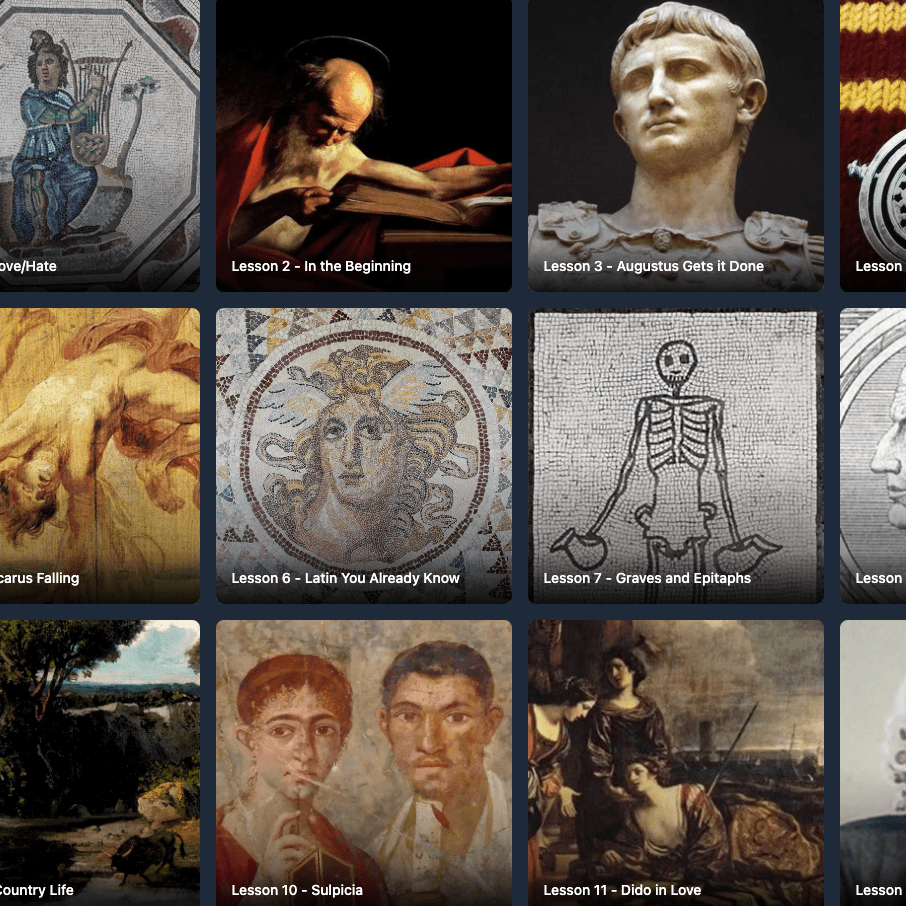
I was invited to join the Tabella Project team a couple of years ago by my alma mater, the Department of Classics in Trinity College Dublin. We were tasked with putting Latin learning materials online so that they could be used by new and returning students of Latin to improve their proficiency in the language.
The key requirement coming from the project's content creators was that they wanted to be able to easily edit and update the website materials. At the time WordPress was, and probably still is today, the behemoth of the content management space. Team members were very familiar with its interface. And so it made a lot of sense to build Tabella on top of it. The website's frontend was written in PHP using the WordPress database as its content source.
Originally the site was hosted on the DigitalOcean platform but in 2025 I decided to move it over to AWS and I chose the Amplify service to be its new host. I had heard good things about Amplify, and having now used it on a number of occasions, I am a complete convert to its message of enabling the building and deployment of secure production apps in a couple of hours.
In order to realize this migration, I took a dump of the SQL database from DigitalOcean and then used Cursor AI to manage the implementation of a plan to convert the WordPress schema data into a static Next.js website. The project had entered a stable state in which there had been no content updates in a number of years. I ran this trade-off by the project's original content creators and they were satisfied to proceed.
On a security note, hosting on managed services such as AWS Amplify also brings benefits as Amplify's containers are managed by AWS and so patching is not something that the service user needs to be concerned about. Amplify containers are also read-only at runtime, which also brings huge security benefits in terms of prevention of cloud resource hijacking attacks.